Post
Welcome to the NeuroInclusive Learning Network
Post
Welcome to the NeuroInclusive Learning Network
National Inclusion Database
In 2021, our team began exploring how museums communicate about neuroinclusion on their websites.
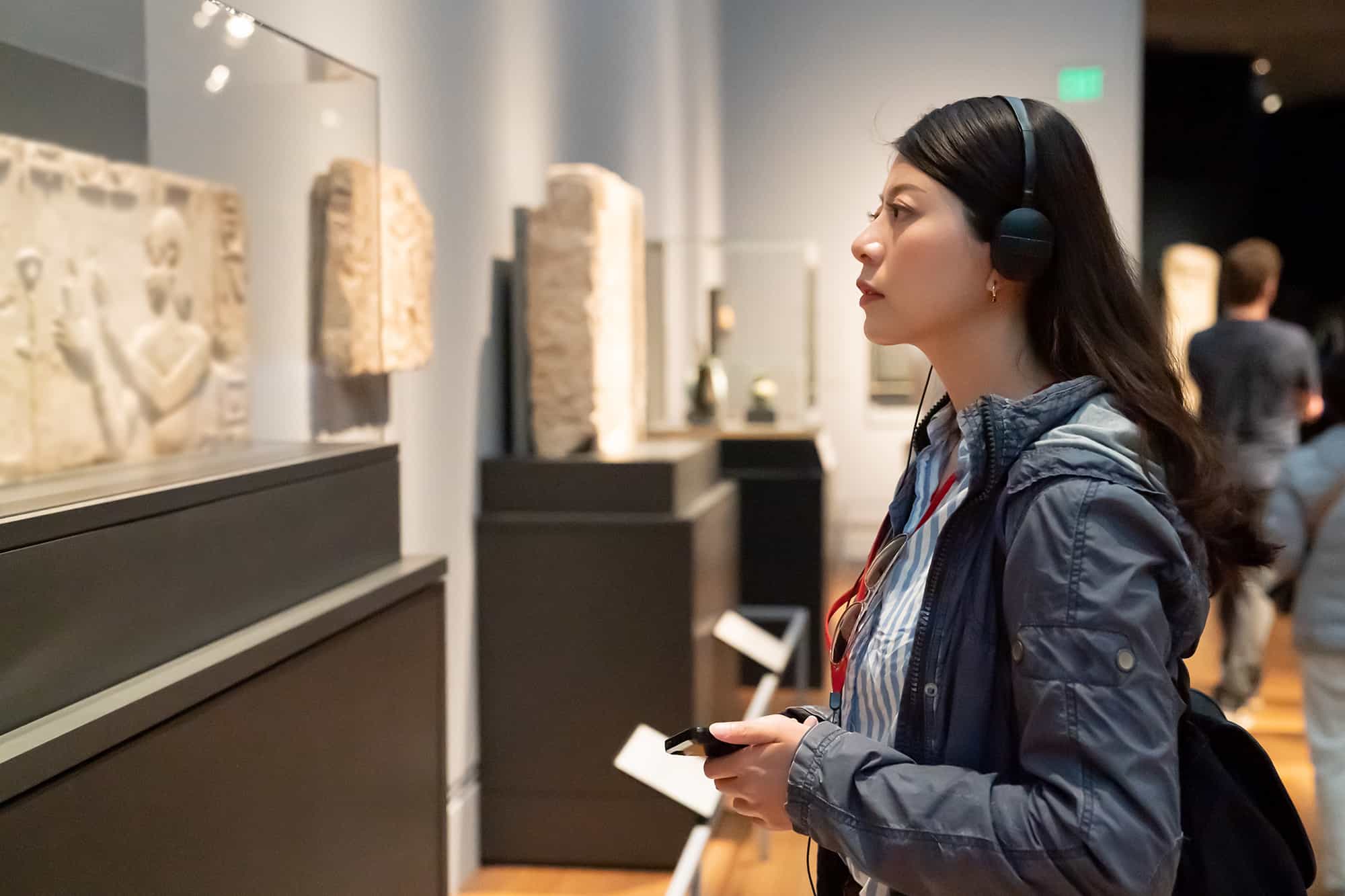
We examined how museums support autistic visitors, families, and other visitors with sensory and access needs, with particular attention to what museums communicate before a visit ever begins. We know many autistic people and families use museum websites as a first step in deciding whether a visit will feel welcoming, predictable, and manageable, so the study focused on what information museums made publicly available online.
We reviewed museum websites to identify accommodations, programs, events, visitor guides, sensory tools, access hours, quiet spaces, staff supports, and other practices that help create more inclusive museum experiences. This work helped the NILN team see where museums had already embedded inclusion into everyday visitor experiences and where supports remained limited, separate, or difficult to find. By documenting these practices, the inventory continues to inform the NILN project and created a practical resource for museums, zoos, and community programmers working to expand autism-inclusive learning opportunities in thoughtful, sustainable ways.

Key Findings
What types of accommodations did museums offer, according to their websites?
28
Websites Analyzed
47%
Visitor Guides
14%
Quiet Rooms
65%
Sensory Events
How To Use The Database
Our aim is to maintain the database as a useful reference and updateable record for professionals in this work. In time this will become a dynamic database to add to and search. For now, this is an online database to search and email in additions.
Sort & Filter
When looking for specific examples, easily search via location, organization name, type of accommodation, etc.
Reflective Tool
Practice critical investigation when using the database – what is mentioned frequently, what is missing?
Submit New Entries
Tell NILN what neuro-inclusive practices your organization does! Your entries will support others with similar goals. Currently, we are working to get the website up and running – for now email us at support@nueroinclusivelearningnetwork.com
Take a look
Open the Database
You will be redirected to a new page that displays a read-only version. On it is a linked form where you can submit new entries to NILN.
Frequently Asked Questions
Additional context relevant to using the Accessibility Database.
How were the museum websites selected for this research?
The Institute for Learning Innovation looked specifically for instances on museum websites that met the following criteria:
- Use of inclusive language
- Enhancing physical accommodations or social access
- Sharing visitor guides or tips that prepare people for experiences
- Staff/volunteer training on inclusive best practices
What platform do I need to view the database?
The read-only version on NILN’s website is viewable online.
How do I submit a new entry to the database?
The read-only version includes a linked form where you can contact NILN’s team to create or update an entry on the database.
Featured Resources

Post
An Overview of SARRC’s Youth Research
Post
Culture Change: Works When Working Together
Post
Inclusion Is Not One Thing: A Model for Building More Responsive Museum Experiences

Post
Planting Seeds for Culture Change: Making Museums More Inclusive for the Autism Community
Post
Rethinking How We Work with Advisors
Post